





Marketing Strategy, Brand and Growth Initiatives for ERP VARs


Key Elements Every VAR Must Implement to Generate Leads, Boost Sales and Drive Revenue

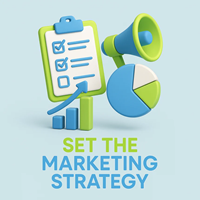
1. Set the Marketing Strategy

  • Define overall marketing goals aligned with business objectives

  • Identify target markets and ideal customer profiles (ICPs)

  • Choose which marketing channels to use (email, SEO, PPC, events, etc.)

Set the marketing strategy

2. Build the Brand

  • Develop or refine brand messaging, voice and positioning

  • Ensure consistency across all marketing and customer-facing materials

  • Manage reputation and public perception

BuildBrand

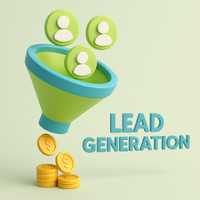
3. Lead Generation

  • Create strategies to attract qualified leads for the sales team

  • Plan and oversee campaigns (email, SEO, paid ads, social, etc.)

  • Track and optimize lead funnels and conversion rates

LeadGen

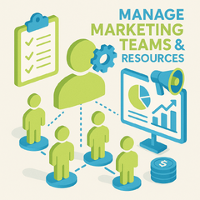
4. Manage Marketing Teams & Resources

  • Direct in-house marketers, agencies, freelancers or outsourced vendors

  • Set KPIs and measure the performance of marketing efforts

  • Manage budgets and ROI on campaigns

TeamsResourses

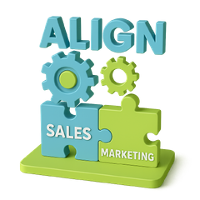
5. Align Sales & Marketing

  • Work closely with sales leadership to ensure lead quality and quantity

  • Develop marketing content and tools to support the sales process

  • Track how marketing drives sales pipeline and revenue

Align

6. Use Analytics to Drive Decisions

  • Monitor website traffic, lead gen metrics and campaign performance

  • Use data to improve targeting, messaging and channel effectiveness

  • Report results to executive leadership and adjust strategy as needed

Analytics

Strategic and Technical Services to Support Growth with HubSpot's Platform

1. HubSpot Onboarding & Implementation

  • Setup of HubSpot CRM, Marketing Hub, Sales Hub and/or Operations Hub

  • Data migration from previous systems

  • User setup, permission configuration and dashboard creation

  • CRM customization to match business processes

OnboardingAi

2. Marketing Automation & Lead Generation

  • Build email workflows, lead nurturing sequences and smart content

  • Set up lead scoring and segmentation

  • Landing page and form development

  • Campaign design and execution (email, paid, social, SEO)

AutomationsAi

3. Sales Enablement

  • CRM pipeline setup and automation

  • Sales process mapping and integration with marketing

  • Templates, sequences and task automation

  • Training sales teams on using HubSpot effectively

EnablementAi

4. Website Design & CMS Development (HubSpot CMS)

  • Custom website design using HubSpot CMS

  • Landing pages, blogs and pillar content development

  • SEO optimization and performance tracking

WebDesignAi

5. Inbound Strategy & Content Marketing

  • Develop buyer personas and inbound marketing plans

  • Blog, eBook and content strategy development

  • Social media strategy and execution

  • SEO strategy and keyword research

InboundAi

6. Reporting & Analytics

  • Custom dashboards for marketing, sales and service performance

  • Campaign ROI analysis

  • HubSpot attribution reporting

  • Recommendations for optimization based on insights

ReportingAi

7. Training & Ongoing Support

  • Hands-on training for marketing, sales and customer service teams

  • Support tickets, strategy calls and performance reviews

  • HubSpot portal audits and recommendations

SupportAi

8. HubSpot App Integrations

  • Connect HubSpot with other tools (e.g., Salesforce, QuickBooks, ZoomInfo, Acumatica, etc.)

  • Use custom APIs or native integrations

  • Data syncing and automation across platforms

IntegrationsAi

CMO-Level Expertise for VARs That Need to Get It Right

1. Clear Ideal Customer Profile

Clear Ideal Customer Profile  Use brand colors light subtle lime green sky blue

Clear Ideal Customer Profile (ICP) & Buyer Personas

  • Define your target industries (e.g., manufacturing, distribution, professional services)
  • Identify key decision-makers (CFO, IT Manager, Ops Director)
  • Understand what pain points are triggering a change to a new ERP (legacy system limitations, lack of real-time data, compliance, etc.)

✅ Why it matters: Focused targeting means more qualified leads.


2. Strong, Differentiated Messaging

Strong Diffrentiated Messaging  Use brand colors light subtle lime green sky blue

Strong, Differentiated Messaging

  • Clarify your value proposition: Why you? Why now?
  • Emphasize your expertise in ERP, industry-specific solutions and support
  • Use customer language and focus on business outcomes, not just features

✅ Why it matters: Messaging that resonates converts better.

3. Lead Generation Strategy (Inbound & Outbound)
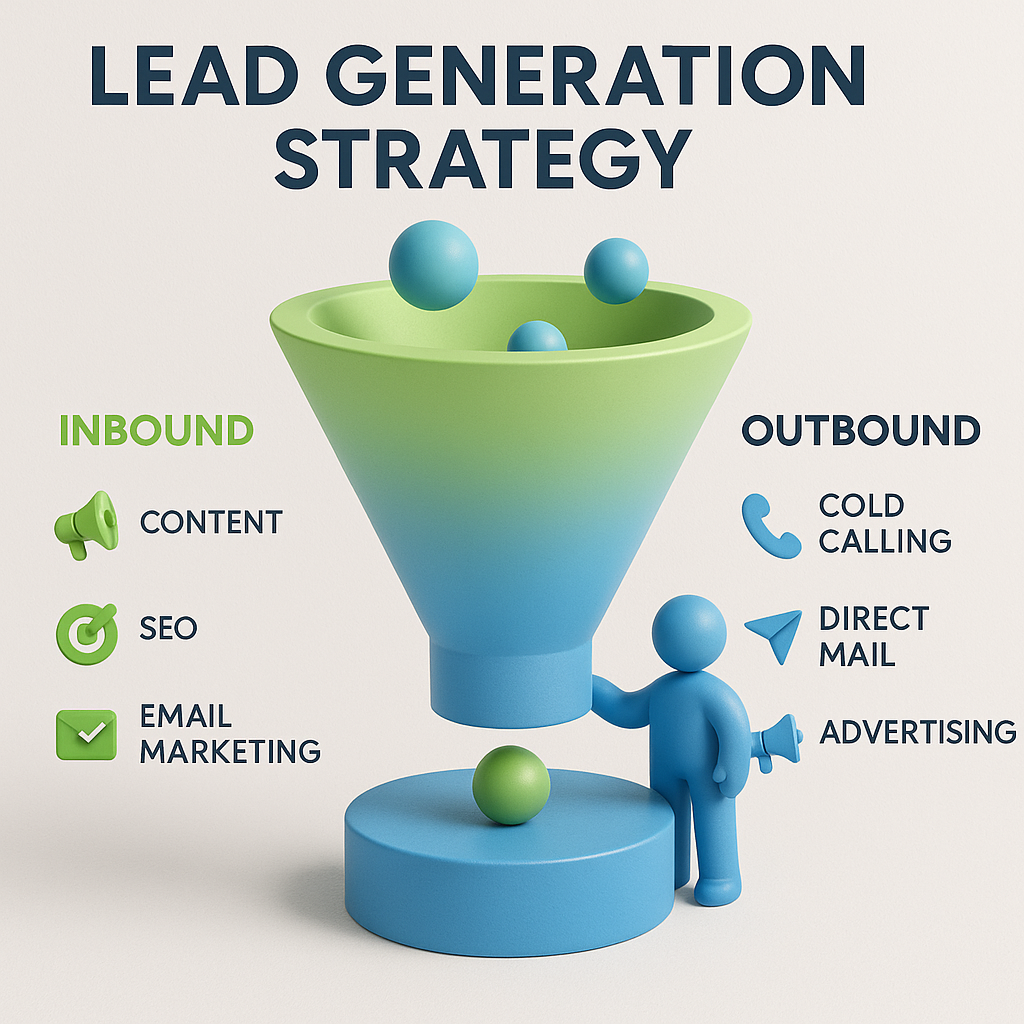
Lead Generation Strategy Inbound  OutboundInbound  Use brand colors light subtle lime green sky blue

Lead Generation Strategy (Inbound & Outbound)

Inbound:

  • SEO-optimized blog posts, pillar pages and case studies

  • Whitepapers, eBooks and guides behind forms (lead magnets)

  • Webinars and videos educating your audience

Outbound:

  • Email outreach sequences to targeted lists

  • LinkedIn outreach and retargeting ads

  • Partner and ISV co-marketing campaigns

✅ Why it matters: Consistent lead flow fuels the sales pipeline.

4. CRM & Marketing Automation
(e.g., HubSpot)
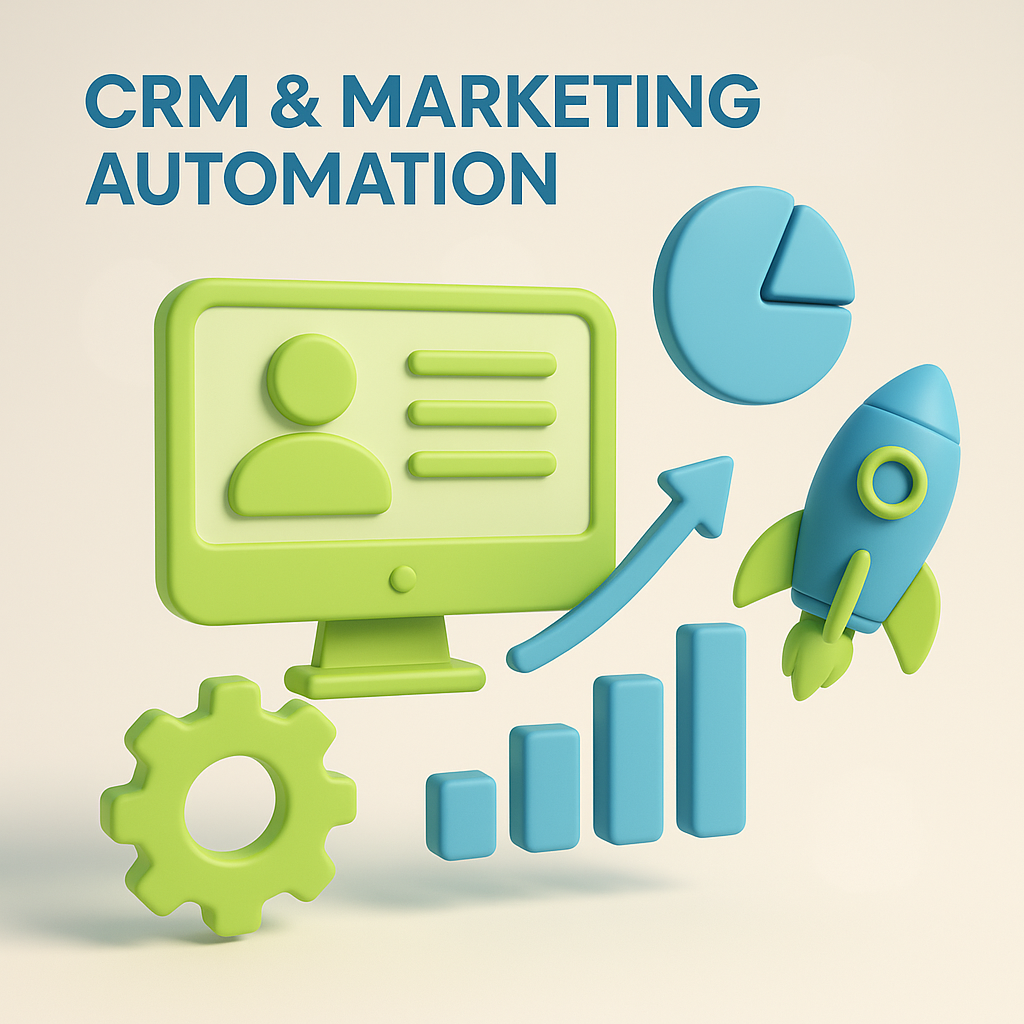
4CRM and Marketing Automation eg HubSpot using business colors light lime green and sky blue and subtle background-1

CRM and Marketing Automation (e.g., HubSpot)

  • Use CRM to track leads, deals and customer interactions

  • Automate email nurturing, lead scoring and task reminders

  • Segment leads by behavior, industry and interest

✅ Why it matters: Automation saves time and improves follow-up.

5. Optimized Website (Conversion-Focused)
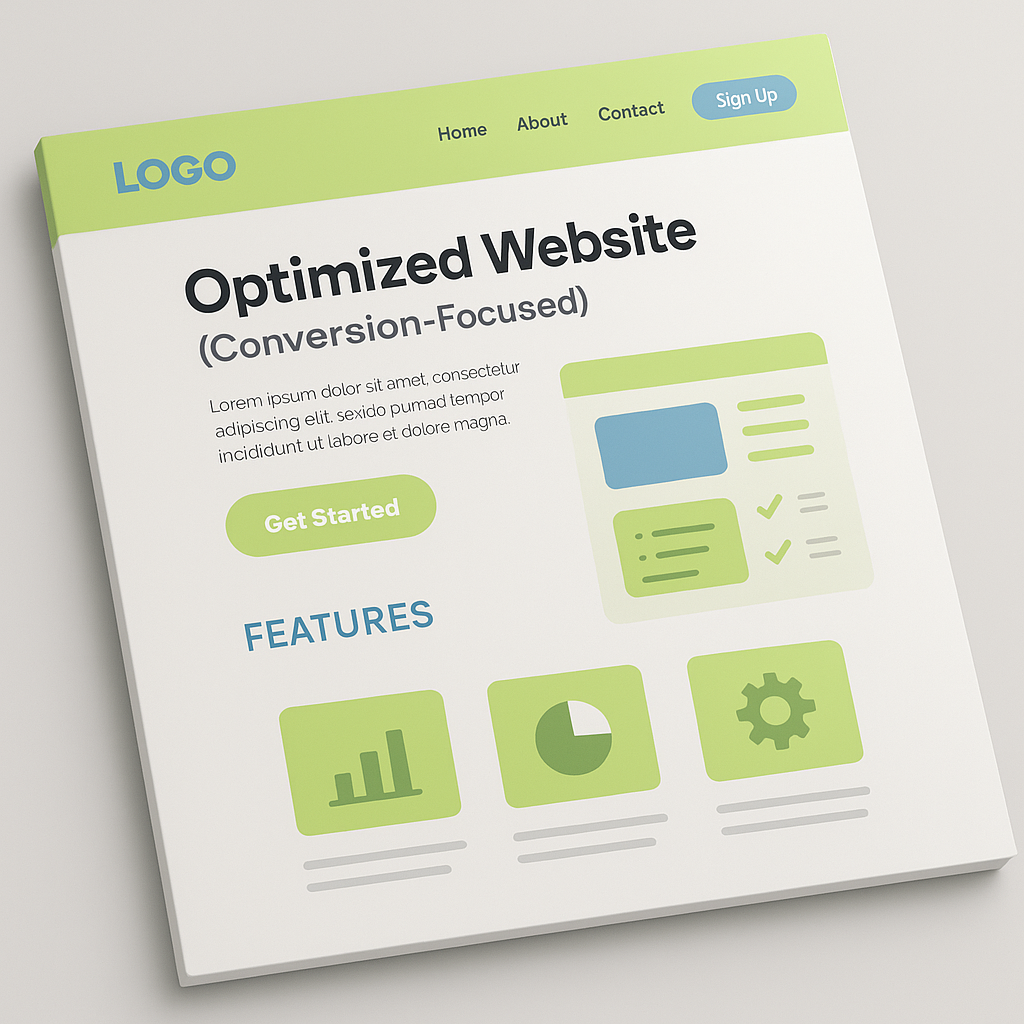
Optimized Website ConversionFocused using business colors light lime green and sky blue-1

Optimized Website (Conversion-Focused)

  • Clear CTA (call-to-action) on every page

  • Forms or chatbots to capture leads

  • Case studies, testimonials and trust signals

✅ Why it matters: Your website should work 24/7 to generate leads.

6. Sales Enablement Tools

Sales Enablement Tools with business colors light lime green and sky blue-1

Sales Enablement Tools

  • Battle cards, email templates and proposal decks

  • Demo scripts tailored to different verticals

  • Pricing calculators and ROI models

✅ Why it matters: Sales teams close faster with the right tools.


7. Content Marketing Strategy

Content Marketing Strategy using business colors light lime green and sky blue

Content Marketing Strategy

Educate your audience with content tailored to each stage of the funnel:

  • Awareness: blog posts, explainer videos

  • Consideration: webinars, comparison guides

  • Decision: case studies, free assessments

✅ Why it matters: Good content builds trust and shortens the sales cycle.

8. Referral & Partner Marketing

Referral and Partner Marketing using business colors light lime green and sky blue

Referral & Partner Marketing

  • Leverage your ERP publisher (Sage, Acumatica, Microsoft) for co-marketing
  • Collaborate with ISVs (inventory, payroll, etc.) for shared campaigns
  • Happy customer referrals and reviews will ONLY happen if you ask and make it easy for them

✅ Why it matters: Referrals are warm, high-converting leads.

9. Performance Tracking Analytics

Performance Tracking and Analytics using business colors light lime green and sky blue-1

Performance Tracking Analytics

>Monitor website traffic, lead source and conversion rates

Track campaign ROI and lead-to-opportunity conversion

Adjust based on data, not guesswork

✅ Why it matters: You can’t improve what you don’t measure.


Chief Marketing Officer

A marketing leader (in-house or outsourced) to:

  • Set strategy
  • Manage execution
  • Align marketing with sales
  • Ensure accountability

✅ Why it matters: Strategy without leadership leads nowhere.
Chief Marketing Officer